What Are The Complications That Occur In A Personal Injury Claim

What Are The Complications That Occur In A Personal Injury Claim

What Are The Complications That Occur In A Personal Injury Claim Contact Us Sarah John’s Legal Writer People who are injured due to someone else’s fault might seek legal assistance from Personal Injury Lawyers Scotland. Unfortunately, this process can become very complicated as there are specific rules regarding determining fault, how much compensation should be given, and how to deal with insurance companies. This article will explore the challenges involved with making personal injury claims, from proving who caused them to figuring out what amounts are fair compensation amounts. Understanding these complexities will enable anyone, if ever they find themselves hurt, to better defend their rights and claim compensation from the at fault party(s). Table of Contents Get In Touch With Your Local Office: With local knowledge and a national network of experts, we have the experience you can count on.  Contact Us Relevant Topics: Road Traffic Accident Accidents In Public Accident at Work Medical Negligence Claims Serious Injury Claims Motorcycle Accident Claims Taxi Accident Claims Slip Trip And Fall Claims Compensation Calculator Whiplash Claims Determining Liability Determining liability in an accident is central to any personal injury claim in Scotland. When someone gets hurt and seeks compensation for someone else’s actions or negligence, they must establish this fact using evidence against that party – often an extremely complex process. In Scotland, the law states that for any personal injury claim to succeed (the claimant), one must prove that their adversary (the defendant) failed to act responsibly and caused injury. Although this might sound straightforward, this process often takes much more work. For example, if an automobile accident happens, they will need evidence such as photographs from the scene, statements from witnesses who saw what transpired, and police reports as proof. Negligence lies at the core of these claims; anyone who fails to take appropriate precautions – for instance, a driver texting while driving and thus not paying attention on the road – might be considered negligent. Contributory negligence further complicates matters when injured parties contribute in some way to an accident such as someone running across an intersection without first looking may also be partially at fault. If a party is partially responsible, their compensation might be diminished accordingly. For example, if they contributed 30% to an accident that led to injury, only 70% of what could have been recovered may be compensated. There are also strict deadlines when making claims, which is usually three years from the date of an accident to begin legal proceedings against anyone involved in an accident. If you wait too long and miss this deadline, any chance of recovering compensation could be gone forever. Steps like proving negligence, understanding contributory negligence, and meeting deadlines make determining who is at fault in personal injury claims in Scotland both important and challenging. Anyone involved should collect as much evidence as they can before seeking help from experienced No Win No Fee Lawyers to manage these intricate details of their case. Severity and Documentation of Injuries First and foremost, to demonstrate the seriousness of their injuries, those injured must present detailed medical records from doctors or hospitals describing what type of treatment their injuries require. Sometimes having good records alone isn’t enough to assess an injury properly; sometimes you need an expert’s opinion too. That means consulting a physician who specializes in that specific field to discuss how bad the injury is and its long-term ramifications; such experts can make everything clear so all involved understand just how serious their injuries truly are. However, matters become even more complex if the person injured already had health issues before the accident occurred, known as pre existing conditions. For example, suppose someone already had back pain before getting in an auto collision. In that case, their insurer might say that any back discomfort wasn’t actually from the collision but from preexisting issues instead – making it hard to prove new injuries occurred due to an accident itself. Insurance companies frequently use preexisting conditions as a reason to avoid giving full compensation in cases involving injuries from accidents. They may claim that because someone was already sick or hurt before an accident, their current condition cannot solely be blamed on it. Satisfied Clients 0 K+ Dedicated Experts 0 + Client Rating 0 Compensation Recovered £ 0 + Million Insurance Company Negotiations Many victims must deal with insurance companies when making a personal injury claim. Insurance providers in Scotland, as in other locations, often use various tactics to minimize payouts as much as possible; understanding these strategies will show why having a skilled lawyer on your side is essential. Insurance companies sometimes employ a common tactic of quickly offering an injured party a settlement amount that’s lower than they deserve in hopes that the person will accept it quickly to get money faster. However, accepting this initial offer could mean receiving considerably less than the fair amount. Insurance companies might attempt to delay the process. By taking their time processing claims and asking for numerous documents that might become overwhelming and confusing for claimants, insurance companies hope that injured people will eventually give up fighting for more compensation altogether. Insurance companies could question the extent and severity of your injuries, assert that some medical treatments were unnecessary, or establish blame to lower or terminate payments altogether. Negotiating with insurance companies can be tricky. They have experienced adjusters and lawyers (with a lot of practice) who are familiar with using all sorts of tactics effectively to negotiate with you, which makes it extremely valuable to hire your own lawyer. A good personal injury solicitor understands these strategies well and can fight back effectively on your behalf, helping you understand how much your claim is truly valued while negotiating better on behalf of their client, so they don’t accept low offers just to satisfy themselves; standing up for your rights during negotiations makes having one even more essential! Legal Deadlines and Procedural Issues Personal injury cases in Scotland, require careful observance

What Are Pre-Action Protocols For Low Value Personal Injury Claims?

What Are Pre-Action Protocols For Low Value Personal Injury Claims?

What Are Pre-Action Protocols For Low Value Personal Injury Claims? Contact Us Sarah John’s Legal Writer Before you step into a courtroom for your personal injury claim that is considered “low value,” you are encouraged to follow a specific protocol. Whenever such a claim arises, and the pre-action protocols are put in place, it features directives and action plans designed to make it as easy as possible for the person claiming and the opposite party defending the claim. For any personal injury claim to be low-value, the full value must not exceed £5,000. This article sets the stage for understanding these protocols and how they streamline the legal process for less severe injury claims. Table of Contents Get In Touch With Your Local Office: With local knowledge and a national network of experts, we have the experience you can count on.  Contact Us Relevant Topics: Road Traffic Accident Accidents In Public Accident at Work Medical Negligence Claims Serious Injury Claims Motorcycle Accident Claims Taxi Accident Claims Slip Trip And Fall Claims Compensation Calculator Whiplash Claims How Does the Compulsory Pre-action Protocol For Personal Injury Claims Work? Stage 1: The first stage of the pre action protocol for personal injury claims is relatively straightforward yet crucially important when making personal injury claims. The person injured – known as a claimant – fills out and sends in a Claim Notification Form (CNF) to the insurer of whomever (person or company) they believe caused them harm, outlining what occurred and why they think the other party is at fault. This document includes basic details regarding what transpired, along with reasons as to why someone should be held liable. For claims involving workplace injuries or diseases, there’s a special twist. If the insurance company isn’t known or the employer doesn’t have insurance, the CNF goes directly to the employer’s main office instead. This step kicks off the official process, and the insurer (or the employer if there’s no insurer) must acknowledge receiving this form quickly, usually the very next day. This quick start helps make sure everything is out in the open and sets the stage for resolving the claim efficiently. Stage 2: Once the initial Claim Notification Form is handled in Stage 1, we move on to Stage 2 of the low value personal injury protocol for personal injury claims. This part is all about digging deeper into the details of the injury and the damages being claimed. The claimant needs to get a medical report from a qualified expert. This report will outline the injuries, any ongoing medical issues, and the expected recovery process. It’s crucial because it helps determine how much the claim is valued. During this stage, the claimant also needs to gather and send any additional evidence that supports their claim for damages, like receipts for expenses or details about lost wages. Both parties–the claimant and insurer–use this time to negotiate an equitable compensation amount, to reach an amicable agreement without going to court, making the process faster and less stressful for all involved. Stage 3: Stage 3 is where things wrap up if the pre-action protocol for personal injury claims hasn’t already led to a settlement. This final stage is to make a last effort to settle the claim without heading to court. If negotiations from Stage 2 didn’t resolve everything, now is the time for a more formal approach. Here, the claimant sends a detailed package to the insurer, which includes the final medical report, any updates on the injury, and a precise breakdown of the damages sought. The insurer then reviews this information and has a set period – usually around 15 days – to respond with their offer or reject it and prepare for court proceedings. If they can’t agree, the claimant has the option to accept the offer, request more time or reject it and start court proceedings against the insurer. This stage aims to clarify all details and give both sides one last chance to settle amicably. Satisfied Clients 0 K+ Dedicated Experts 0 + Client Rating 0 Compensation Recovered £ 0 + Million What Is The Pre Action Protocol Success Rate? Pre-action protocols for personal injury cases have an impressive success rate. This set of rules aims to facilitate dialogue between both sides – those injured and anyone who might be responsible – before having to enter courtroom proceedings; often leading to settlement without going all the way. Most of the time, the parties involved manage to agree on how to resolve the claim during the early stages of the protocol. This is really helpful because it saves everyone a lot of time, stress, and money. In fact, it’s pretty rare for personal injury claims to reach the courts if the pre-action protocols are followed closely. This shows that the system works well in helping people resolve their disputes efficiently and fairly. Are There Different Pre-Action Protocols For Different Claims? Yes, there are different pre-action protocols for various types of claims, not just for personal injuries. These protocols are like specific game plans that help people sort out their legal issues before they think about going to court. Each type of claim has its own set of rules because different problems need different solutions. In case of a car accident, for example, a pre-action protocol for low value personal injury claims kicks in; this applies when injuries or damages are minor. On the other hand, when someone gets hurt at work or in public places (for example slipping in a store) then there is another protocol specifically dedicated to the employer’s liability and public liability claims that can help determine what steps should be taken if someone else might be at fault – for instance, a slip and fall injury occurring during business hours can trigger; they help decide what should be done if a business or employer might be at fault. Then there are protocols for more specific issues, like if someone gets sick because of their job—like diseases caused

How Much Can You Get For Personal Injury Claims?

How Much Can You Get For Personal Injury Claims?

How Much Can You Get For Personal Injury Claims ? Contact Us Sarah John’s Legal Writer Have you ever considered how much money you could claim if injured in an accident that wasn’t your responsibility? Personal injury claims Scotland provide you with compensation for injuries sustained in accidents and the difficulties they cause. However, how much you get depends on a variety of factors, including what kind of injury it is and its severity as well as duration in affecting daily living activities – we will discuss these in-depth in this article to ascertain the role of various factors in deciding how much monetary compensation you get in your personal injury claim. Table of Contents Get In Touch With Your Local Office: With local knowledge and a national network of experts, we have the experience you can count on.  Contact Us Relevant Topics: Road Traffic Accident Accidents In Public Accident at Work Medical Negligence Claims Serious Injury Claims Motorcycle Accident Claims Taxi Accident Claims Slip Trip And Fall Claims Compensation Calculator Whiplash Claims What is included when calculating a Personal Injury Compensation claim? As part of determining a fair compensation amount for your personal injury claim, we consider all harm and injuries caused by the accident; this is known as the ‘quantum of damages’ in legal terms. Personal injury cases consist of two main components. The first, known as general damages, covers pain and suffering associated with your injury, while special damages cover any additional costs or damages experienced, such as medical bills or income lost from not being able to work. General Damages Personal Injury Compensation: Those injured in accidents that were not their responsibility may seek “general damages compensation”, designed to cover both physical and emotional pain caused by an accident and its impact on their lives. The car accident claim amount available to an injured party depends on the injuries, their extent and severity, and how they’ve altered their life over time. Unfortunately, every accident and injury case differs, and therefore, no set figure covers every possible scenario. As an indication of what might be expected, the Judicial College Guidelines provide a personal injury payout guide which details various injuries and the general amount that would likely be awarded per type. However, keep in mind these are only guidelines; actual compensation claim amounts can differ depending on each case’s details. Personal Injury Special Damages Compensation: Special damages refer to costs related to an accident that are beyond general damages; unlike general compensation for pain and suffering, special damages cover specific items which cost money. Examples might be medical bills, replacing the damaged property with similar ones and any lost wages caused by injuries sustained – the goal is to recover money that had to be spent or lost because of it all. Special damages serve to compensate people for what has been spent/lost as a result of being involved in an accident. Examples Of Special Damages: Loss of Earnings Compensation: Loss of earnings is one form of special damages available in personal injury cases. If someone gets hurt and must miss work as a result of their accident, they could lose money by not receiving their usual paycheck. Compensation for lost earnings refers to financial assistance to compensate for missed paychecks due to injuries. This money may help cover bills and expenses while they take time off for recovery – helping ensure an accident doesn’t devastate their lives further than necessary. Impact On Ability to Work: After being involved in an accident, even those who can return to work might not be able to contribute as they used to at their job. Their injuries might still require healing time, and because of that, fewer hours or easier tasks must be undertaken – this may even negatively impact future opportunities such as promotions or raises. When someone’s ability to work is severely affected, they can make a claim for compensation for special damages. This allows them to get money to help make up the difference in salary or opportunities they missed as a result of an accident, helping them adjust while they regain their footing with new alterations caused by the accident. Cost of care & treatment: After an accident, those involved often need medical care that needs to be maintained over an extended period. While some care might be covered by the NHS, there might be a need for additional treatments that cost extra; such as extra exercises with a physiotherapist or visiting specialists that don’t fall under NHS coverage. When someone claims for compensation due to special damages, they can include the cost of additional medical care in their claim. That way, they can access the treatment they require without worrying about how to afford it and focus on their recovery without burdensome bills hanging over their head. Cost of Transport or Travel Expenses: Once injured in an accident, getting around can become more burdensome. Your body might no longer allow you to drive or move as easily, making everyday tasks challenging and possibly making travel arrangements for appointments such as physical therapy or chiropractic services more complicated. Due to your accident, it may become necessary for you to use more expensive modes of transport (taxis, for instance) than usual to reach medical appointments and recover. By making a special damages claim and claiming for such travel expenses as part of your treatment costs claim, it can ensure you are not suffering financially just trying to heal from injuries inflicted upon yourself by someone else and ensure the accident doesn’t add an unnecessary financial strain into the mix. Replacing and/or Repairing Lost and Damaged Items: Accidents can render many of our belongings useless or require replacement costs; such as a phone breaking from falling, clothing torn in an automobile collision and so forth. When this occurs, fixing or replacing these items might become necessary – this could cost money in repairs. Special damages in a compensation claim may help cover these costs, such as replacing

What Is Lower Back Pain Car Accident Settlement ?

What Is Lower Back Pain Car Accident Settlement ?

What Is Lower Back Pain Car Accident Settlement ? Contact Us Sarah John’s Legal Writer Experiencing lower back pain following a car accident in Scotland can be both distressful and life-altering, which makes understanding your rights and potential compensation packages important. In this article, we explore potential settlements for lower back pain after car accidents here; generally, these settlements fall into two categories: general damages awarded to all successful claimants and special damages that cover financial damages (monetary costs). In Scotland, 2024, the Compensation for back pain car accident settlement ranges between £7,890 to over £160,980 depending on severity. Table of Contents Get In Touch With Your Local Office: With local knowledge and a national network of experts, we have the experience you can count on.  Contact Us Relevant Topics: Road Traffic Accident Accidents In Public Accident at Work Medical Negligence Claims Serious Injury Claims Motorcycle Accident Claims Taxi Accident Claims Slip Trip And Fall Claims Compensation Calculator Whiplash Claims How To Claim Compensation For Lower Back Pain After Car Accident? Your health comes first. Seek medical assistance immediately so you can receive an accurate evaluation of any injuries sustained; not only will this ensure better medical treatment, but it may also provide crucial documentation needed for your claim. Gather as much evidence from the scene of an accident as you can, from photographs to witness statements and police reports; all will help make your claim strong and win your battle in court. As soon as you have all of the required information, reach out to Personal injury claims. Our panel of solicitors specialise in all kinds of personal injury claims in Scotland, including those related to lower back pain following car accidents, and are uniquely equipped to guide you through every stage of the claim process and handle legal proceedings on your behalf. Simply provide us with all of the pertinent details surrounding your accident and injury; that way, we can represent you effectively in court. Our panel’s skilled No Win No Fee Solicitors Scotland will then fight hard on your behalf for maximum compensation to cover medical costs, lost earnings and pain & suffering caused by the accident. Types Of Back Injuries Caused By Car Accidents Scotland: Car accidents often result in back injuries of various degrees, from minor to serious. According to the Department for Transport (DfT), in 2022, 28,031 serious and 105,738 minor road user injuries were reported – many were back injuries as the impact and forces involved are often significant enough to cause serious physical trauma. One common form of back injury involves soft tissue damage to ligaments or tendons in the spine, leading to pain, stiffness and reduced mobility. Another injury often seen involves ruptured discs in the spine, which cause significant discomfort as a result. These complications often necessitate medical intervention as treatment. Car accidents can result in spinal cord injuries that lead to partial or complete paralysis and require urgent medical intervention. Such trauma has serious repercussions for health and life expectancy; seek medical advice immediately! Nerve damage in the back may result from car accidents as well. Common nerve damage symptoms include pain, increased sensitivity, muscle weakness or numbness. Furthermore, whiplash injuries that involve sudden back-and-forth movement of the neck could cause tenderness or pain in the upper back by damaging muscles or components of the spine. Minor back injuries that may result from car accidents include strains, sprains and bruises; although less serious, they still present discomfort that needs medical treatment to heal effectively. Tips On Claiming For Lower Back Pain After A Car Accident: If you want to successfully make a claim against another driver after being involved in a car accident, having evidence establishing their negligence will be essential in winning back injury car accident compensation. While you could pursue this on your own, working with a Solicitor who understands personal injury law often proves more efficient in gathering all the relevant material necessary. When claiming lower back pain related to a car accident, you require several types of evidence, such as: Photos: Take pictures of both your injuries and where the accident took place to document everything accurately. Medical Reports: Your solicitor can arrange for a medical expert to assess your injuries. Their report will detail their assessment of your injuries, treatment needs, and any potential long-term issues, thus providing crucial evidence in court proceedings. Videos: CCTV and dash cam footage may provide invaluable evidence about what transpired at an accident scene, while witnesses’ contact details will enable your solicitor to gain their perspective of events. If you need additional guidance or help submitting your lower back pain claim, do not hesitate to reach out to us; Personal injury claims offers free legal advice that can guide and assist in the claim process and get you compensated. Lower Back Pain After Car Accident In Scotland Compensation Amounts: With back injury Car Accident Claims Scotland, there may be two forms of compensation you could receive: Medical costs compensation and any possible additional payout. General damages represent compensation for pain and suffering caused by your accident. How much you could receive depends upon its severity as well as any long-term health complications it leads to. Serious back injuries that lead to paralysis could bring compensation of between £91,090 and £160,980; moderate injuries like crushed discs causing pain may garner between £27,760 and £38,780 in compensation awards. Minor injuries like sprains or small fractures might receive compensation amounts between £7,890 and £12,510. Whiplash with minor psychological damages might yield around £4,345, while whiplash without a psychological impairment should yield about £4,215. Special damages depend on various factors such as travel costs, prescription fees, loss of earnings, etc. Satisfied Clients 0 K+ Dedicated Experts 0 + Client Rating 0 Compensation Recovered £ 0 + Million What Evidence Would Support My Claim? When claiming compensation for back injury after being involved in a car accident, having solid evidence on hand is vital to prove fault on another road user’s part.

Can You Cancel A Car Insurance Claim If You’re In Scotland?

Can You Cancel A Car Insurance Claim If You’re In Scotland?

Can You Cancel A Car Insurance Claim If You’re In Scotland? Contact Us Sarah John’s Legal Writer If you live in Scotland and have recently made a car insurance claim, you might be wondering whether it can be cancelled. Say your car gets damaged by falling branches; you submit the claim immediately but later realise you don’t need it anymore – can you withdraw a car insurance claim? In most instances, it is indeed possible. Simply reach out to your insurer to inform them you no longer wish to proceed with them and cancel. However, there may be certain instances in which cancellation cannot happen (i.e. if an accident was your responsibility or someone has made one against you). Table of Contents Get In Touch With Your Local Office: With local knowledge and a national network of experts, we have the experience you can count on.  Contact Us Relevant Topics: Road Traffic Accident Accidents In Public Accident at Work Medical Negligence Claims Serious Injury Claims Motorcycle Accident Claims Taxi Accident Claims Slip Trip And Fall Claims Compensation Calculator Whiplash Claims Why You Might Want to Cancel Car Insurance Claim? There could be various reasons for you to cancel a car insurance claim after making it: Repair Costs Are Near Your Deductible: A claim may not be useful when repair costs come close to equaling your deductible amount; for instance, if repairs cost £525 but your deductible was £500, which means only £25 would be covered by insurance; it might be wiser for you to cover the repair costs yourself instead and avoid claims altogether. Unable to Afford Deductible: Some people might select a higher deductible to reduce premium costs but can’t afford its payment at the time their car requires repairs, they might opt to cancel its claim altogether and fix their car later on their own. Avoid Rate Increase: Making a claim could increase your insurance premiums because companies see you as a higher-risk customer. However, if the claim is cancelled, it won’t affect the risk profile and thus won’t lead to changes in rates. Repairs Are Cheaper Than Expected: When repairs prove less expensive than anticipated, it may be beneficial for you to pay out-of-pocket and cancel the claim altogether. You May Qualify for a Safe Driver Discount: Certain insurance providers provide discounts if their customer goes five years without making claims – for instance, GEICO can give up to 22% if this criteria has been fulfilled; you might want to cancel the claim to get this discount. Is it Possible to Cancel a Car Insurance Claim after Making? Yes, once you have submitted car insurance claims, you can certainly cancel them. Even so, your claim will still appear on your driver record, but if no payments result from it, your rates should not go up, so there is no need to worry. However, Liability Personal Injury Claims Scotland cannot be cancelled. These occur when you’re responsible for an accident that results in damages to someone else’s vehicle; for instance, if you hit someone’s car accidentally while parking, insurance would cover this claim regardless of whether you attempt to cancel it later. How to Cancel Your Car Insurance Claim? Initial Steps for Cancelling: As soon as you decide to cancel a car insurance claim, the first thing you should do is contact your insurer immediately and explain why. They may require written proof of cancellation; keep an archival of all interactions between yourself and them for future reference. Potential Costs: While cancelling your car insurance claim might not cost directly, it could have financial repercussions. For instance, if you opt to cover repairs out-of-pocket after cancelling, these expenses must be covered yourself and any deductible payments already made may not be returned. Cancelling Your Car Insurance Claim: There can be serious ramifications to cancelling an insurance claim. First and foremost, the claim will remain on your driving record even though it was cancelled; though this might not impact premiums if the claim was for small amounts or no payment was required, it should still be remembered that making multiple claims may be viewed by insurance companies as increased risks despite being later cancelled by you. If complications arise while cancelling insurance car accident claims Scotland, contact Personal injury claims; our panel of no win no fee solicitors Scotland will guide you through the process. Satisfied Clients 0 K+ Dedicated Experts 0 + Client Rating 0 Compensation Recovered £ 0 + Million Can I Cancel An Car Insurance Claim Under Investigation? Yes, even if it is under investigation, you can cancel a car insurance claim. Simply reach out to your insurer and inform them. Keep in mind, though, that the claim might still stay on your record but usually won’t impact insurance rates; however, if the claim involved paying damages for another party because you were at fault, you might not be able to cancel it. Easy Ways To Get In Touch We are here to help. Give us a call, request a call back or use our free claim check tool to get in touch with our friendly legal team. With local knowledge and a national network of experts, we have the experience you can count on.  Free Claim Check Request A Callback Call: 0141 2809789 Blogs Can You Cancel A Car Insurance Claim If You’re In Scotland? Learn more How Long Do You Have To Declare Accidents For Car Insurance? Learn more How Much Is My Car Worth After An Accident And Can I Claim? Learn more View Our Blog

How Long Do You Have To Declare Accidents For Car Insurance?

How Long Do You Have To Declare Accidents For Car Insurance?

How Long Do You Have To Declare Accidents For Car Insurance? Contact Us Sarah John’s Legal Writer Accidents happen, whether small fender-benders or more serious collisions; dealing with their aftermath can be stressful and confusing. One key question that often arises after such events is when it is necessary to notify car insurers, especially since failing to do so quickly could put your coverage or claims at risk. So, in this article, we’re exploring these deadlines in more depth; ready? Let’s get going! Table of Contents Get In Touch With Your Local Office: With local knowledge and a national network of experts, we have the experience you can count on.  Contact Us Relevant Topics: Road Traffic Accident Accidents In Public Accident at Work Medical Negligence Claims Serious Injury Claims Motorcycle Accident Claims Taxi Accident Claims Slip Trip And Fall Claims Compensation Calculator Whiplash Claims What Happens If You Don’t Report An Accident Within 24 Hours? You might face serious legal ramifications if you are involved in a car accident in Scotland and don’t report it within 24 hours. According to Scotland’s Road Traffic Act 1988, failure to inform police promptly about such events constitutes a crime. No matter how small the accident may seem or whether anyone has been hurt, stop immediately on the accident scene and exchange details before reporting your experience to the police within one day of leaving the scene of an accident. Failing to report accidents could put you in serious legal danger; penalties include fines and points on your driving licence and possibly being banned from driving; in extreme cases, this could even include being sent to jail for six months! People sometimes fail to report accidents because they don’t realise one happened or believe the damage caused was too minor, but this doesn’t excuse violators; they could still face legal ramifications under local laws. Failing to report an accident immediately can result in fines and points against your licence or both. Should this ever occur and you miss your 24-hour window for reporting it, seek legal assistance to help you understand the law better, build your defence or potentially lessen the penalties you are subject to. Is It Illegal to Not Report an Accident? Yes, it is illegal not to report car accidents in Scotland. Even minor collisions must be reported within 24 hours for reporting purposes – failing to so could result in fines, licence points or jail time! Always exchange details before reporting an accident to avoid legal consequences and keep yourself and others out of trouble. Should I Tell My Insurance Company About A Minor Car Accident In Scotland? Yes, always notify your car insurance provider after any car accident in Scotland, no matter how minor. Failing to report it could have serious repercussions later. If you don’t tell your insurance provider about an accident, they could cancel your policy and leave this record of cancellation on your record—making future insurance applications harder and potentially leading to insurers declining your application or charging higher premiums for coverage. Even if you do not plan to make a claim, still report an accident. Your insurer needs to know exactly what transpired just in case anyone involved makes a claim against you. Otherwise, they might make you pay back the payments they had to give to the claimant due to your noncompliance with reporting regulations. Therefore, it is wise to notify your insurer as soon as you have an accident, no matter how minor. This helps safeguard your policy from future trouble, and being honest about any accidents will ensure coverage without incurring additional costs or problems. Will Reporting An Accident Affect My No Claim Discount? Reporting an accident to your insurer in Scotland could alter your no-claim discount, depending on its impact. However, if you are just notifying insurance of accident but not claiming, then you could probably keep your discount. Sometimes, handling repairs yourself could save both money and stress down the line since claiming could cost more than doing them yourself. However, if an accident was your responsibility and your no-claim discount was kept intact, your insurer might raise your premium when renewing. The insurers will view you as a higher risk. Even with no claims made in future years, premiums might rise accordingly. Even if reporting the accident feels cumbersome or unnecessary, reporting is still necessary for several reasons. Other drivers involved could make Car Accident Claims Scotland with their respective insurance providers, which might, in turn, contact yours, and your insurer might cancel your policy for failing to report the accident immediately. Alternatively, your insurer might discover the accident from some other source and cancel your policy because no report had been submitted immediately after the accident. Avoid these issues by notifying your insurer immediately of any accident, no matter how minor. Being honest will keep your policy intact while helping avoid additional costs; reporting an accident helps minimise any surprises that arise later and ensure you remain covered under your policy terms. Satisfied Clients 0 K+ Dedicated Experts 0 + Client Rating 0 Compensation Recovered £ 0 + Million We Will Help You with Your Car Insurance Claim: At Personal injury claims, our panel of Personal Injury Lawyers Scotland can assist with your car insurance claim. Don’t stress – our panel’s No Win No Fee Lawyers Scotland are on hand to guide the way! Dealing with insurance claims after such events is stressful enough – that’s why we aim to make the process less painful for you. Our experienced professionals understand every facet of car accident claims, from minor bumps to more severe crashes. From handling paperwork and negotiations with insurers to making your compensation claim seamless. Report any accidents immediately to your insurer in Scotland to avoid issues with your policy and penalties from insurance. Our specialists will ensure you take all the right steps to keep your policy intact while also mitigating the penalties you might incur. Easy Ways To Get In Touch We are

How Much Is My Car Worth After An Accident And Can I Claim?

How Much Is My Car Worth After An Accident And Can I Claim?

How Much Is My Car Worth After An Accident And Can I Claim? Contact Us Sarah John’s Legal Writer Road traffic accidents can be extremely stressful experiences, and one of your first worries may be how much your car is now valued. After an accident occurs in Scotland, the value of your vehicle can quickly decline depending on its level of damage and how well it was repaired. Even if everything was fixed perfectly afterwards, just the fact that it was involved in an accident can diminish its value when trying to sell or insure it later. However, you could claim compensation for both this depreciation of car value and any injuries or additional costs you incurred from having been in an accident – just make sure you act quickly by gathering all evidence before seeking legal advice. This ensures that you get what is owed to you by those responsible for your accident. Table of Contents Get In Touch With Your Local Office: With local knowledge and a national network of experts, we have the experience you can count on.  Contact Us Relevant Topics: Road Traffic Accident Accidents In Public Accident at Work Medical Negligence Claims Serious Injury Claims Motorcycle Accident Claims Taxi Accident Claims Slip Trip And Fall Claims Compensation Calculator Whiplash Claims Understanding What Is Depreciation? Depreciation occurs when your car loses value over time; this is a natural process, but it can accelerate after an accident. Multiple factors influence this depreciation; the severity of damage impacts it greatly, while age and condition before an accident also have a substantial effect. For example, older cars with higher mileage often see their value decline more after experiencing damage. Luxury and high-end models typically experience greater decreases in value following an accident than cheaper models. Ascertaining how much your car has depreciated after an accident can be challenging. Depreciation rates depend on multiple variables such as damage, age, condition, and market value; since each car and accident situation differs significantly, professional assistance should usually be sought to calculate diminished values so you can seek appropriate compensation claims. What Is The Depreciation Policy For Vehicles in Scotland? As in other areas of Scotland, cars in Scotland slowly lose value over time—this trend speeds up considerably following an accident. Additional factors may also contribute to their rapid depreciation. First and foremost, age and mileage play an essential part. Older cars or those driven frequently are likely to lose value quickly as more wear-and-tear wears away at their value over time. Also important are factors like service history, as more mileage means lower value over time. Second, car condition pre- and post-accident is also key. A car with severe structural damage could see its value decrease dramatically as buyers may feel less safety with such damage. Cosmetic damages do have some influence as well but do not cause the car to depreciate as rapidly; using genuine parts in repairs can help minimise further depreciation. Thirdly, having an accident history can reduce resale value and might increase insurance costs, even after a complete repair, and this might put off potential buyers. Quality repairs by professional technicians using genuine parts can help preserve a car’s value more than cheaper fixes. Scotland allows you to make a claim for depreciation on car value after an accident has taken place to compensate you for its adverse effect on your vehicle’s value. These so-called diminished value claims provide compensation for loss in value caused by the past collision history of your car, even after repairs have taken place. Awareness of these factors can help make better decisions regarding repairs and insurance claims after an accident; it also helps when making Car Accident Claims Scotland that can help cover vehicle repairs and medical payments for injuries sustained during the collision. Talking with local experts or solicitors for specific advice about your case may be worthwhile. What Is the Effect of Depreciation on Your Vehicle in Scotland? Depreciation can have an enormous effect on the value of your car following an accident in Scotland; the depreciation value of car is typically 10% to 30% of its pre-accident value. Imagine that your car was valued at £20,000 before an accident; the depreciation may be anywhere from £2,000-£6,000 due to having had a history with accident repairs; we call this a “diminished value claim”. In other words, its value has decreased after an accident, even if all repairs have been done perfectly and the car is in excellent condition. Loss in value may make selling your vehicle harder. Buyers may be less interested in vehicles that have been involved in an accident, as they assume those cars are no longer safe or reliable. An accident history might also impact insurance premiums, meaning your monthly payments might increase. Understanding how depreciation works can help you make more informed choices regarding repairs and claims. High-quality repairs from professionals who can guide you through the process will reduce the financial impacts caused by your vehicle’s depreciation. How to Make a Diminished Value Claim? To make an effective claim, providing evidence of what your car was valued before and after an accident and that its value has decreased due to the damages sustained in said accident is necessary. You can do this using various sources: obtain repair estimates detailing costs to repair it. Ask local car dealers or websites like Glass’s Guide and Parkers to assess the value of your car compared with previous valuations. Understanding how much your car has depreciated after an accident can be challenging, so consulting a professional appraiser or lawyer specialising in these claims could be advantageous in making your claim and getting you the maximum possible compensation payout. Once you are ready to make a claim, gather all documents, such as repair estimates, appraisals and online value guides, before approaching your insurance provider and giving them this information. They will review it thoroughly and advise what steps need to be taken next. Maintain a record of receipts and

What To Do After A Car Accident Not Your Fault ?

What To Do After A Car Accident Not Your Fault ?

What To Do After A Car Accident Not Your Fault ? Contact Us Sarah John’s Legal Writer Car accidents are devastating experiences, especially when they’re not your fault. In Scotland, knowing the appropriate post-accident actions to take can help protect both your interests and rights after such events occur. This article seeks to equip readers with all of the knowledge required for effective management post-car crash in Scotland when no blame lies with them, from safeguarding everyone’s safety through handling insurance questions to making personal injury claims Scotland. Table of Contents Get In Touch With Your Local Office: With local knowledge and a national network of experts, we have the experience you can count on.  Contact Us Relevant Topics: Road Traffic Accident Accidents In Public Accident at Work Medical Negligence Claims Serious Injury Claims Motorcycle Accident Claims Taxi Accident Claims Slip Trip And Fall Claims Compensation Calculator Whiplash Claims No Fault Accident Claim Process: 1. Gather Information At The Scene Ensuring everyone’s safety after an accident is paramount. Once confirmed, the focus should shift to gathering critical information. This involves collecting names, insurance details from all drivers, and statements from passengers and witnesses. Documenting the make, model, and license plate numbers of each car involved is essential. Photos or videos of the vehicles’ and surrounding area damage can prove vital. Lastly, securing police report copies can provide detailed accounts of the accident, aiding in any future proceedings. 2. Contact Your Insurance Company After gathering all the pertinent details, your next step should be contacting your insurance provider within the time limit – even if the accident wasn’t your responsibility. When making contact, tell them what occurred at the scene, along with any details collected at that point in time. Your insurance provider will begin processing your claim soon thereafter, potentially asking for images and evidence you gathered to support that you weren’t at fault in an accident. Be sure to communicate openly with them throughout this process to keep them updated. Keeping in touch can ensure that the other driver’s insurance provider takes responsibility and covers costs for damages or injuries suffered as soon as possible. 3. Decide If You Need to Make a Legal Claim Deciding whether or not to make a legal claim following an automobile accident that was not your responsibility can be an essential step toward getting compensation. When a no fault car accident leaves victims with injuries and uncompensated damages, legal claims provide avenues of compensation. It is not always necessary to go to court; sometimes, making a claim alone can bring about the desired result. Before making your decision, consider what impact this accident had on you and if you require financial assistance with repairs for cars or medical costs. Talking with an accident expert may also help and can offer guidance tailored to the details of your not at fault accident. They can explain all your options and what would work best in your particular circumstance – it is your right to seek justice and assistance as part of recovery from this ordeal. 4. If All Else Fails, Make a Claim With Your Car Insurance Company After trying other steps, after being involved in a major or minor car accident that was not your fault, making a claim with your car insurance provider might be your next move; you can do so by notifying them about what occurred and asking for their assistance. Once an accident happens and any damages to your car have been assessed, insurance companies review each case to assess what sort of assistance can be offered – for instance, helping cover repair costs or medical bills should any injury have happened. At the time of an accident, it’s essential that all necessary information about it be readily available, such as date, time, and pictures taken of damage. Making a claim with your insurer can help cover some costs related to the accident while you recover financially. However, making an insurance claim can significantly impact your premiums and no-claims bonus, so if you only have had a minor accident, you might want to cancel your insurance claim. Satisfied Clients 0 K+ Dedicated Experts 0 + Client Rating 0 Compensation Recovered £ 0 + Million Who Is At Fault In a Head-on Collision? This requires pinpointing who strayed from their lane; often, this occurs when one car crosses over to the opposite side or drives in an unsafe manner. To assess blame in these accidents, one must understand who drove into the wrong lane illegally or drove the wrong way on a two-way street. Reasons for driving into oncoming traffic may differ: maybe a driver was not paying attention, was under the influence, or attempted to pass another car without enough room. Sometimes, both parties are equally to blame if neither party is abiding by rules such as speeding. However, in most instances, those who leave their lane and cause collisions are considered at fault. Determining this may require police reports, witness statements, and/or camera footage from nearby roads or businesses. It can also help prevent future accidents by encouraging all drivers to drive more carefully. Who Is At Fault In a Rear-ended Collision? Rear-end collisions tend to place blame squarely on the driver who collides with another car’s back, as drivers should leave enough distance between themselves and those ahead of them to react and stop, should necessary. Accidents like these often arise when trailing drivers fail to pay enough attention, follow too closely, or drive too quickly for road conditions. There may be exceptions, though – for instance, a front vehicle driver who fails to observe road regulations could potentially cause an accident and be considered at fault. For example, if a front car suddenly reverses or has damaged taillights and stops without notice in low light conditions at night, circumstances might vary considerably, but generally speaking, keeping a safe distance between cars will prevent these kinds of accidents. Drivers need to remain aware and maintain a good

How Much Compensation For Anxiety After Car Accident?

How Much Compensation For Anxiety After Car Accident?

How Much Compensation For Anxiety After Car Accident? Contact Us Sarah John’s Legal Writer Facing anxiety after being involved in a car accident can be challenging. The shock after car accident may cause physical injuries as well as emotional scars; if this has happened to you, it might make you question how much compensation (if any) can be awarded for anxiety. Being informed of your rights and compensation options can help ease suffering; knowing this information and the steps to follow afterward could make all the difference for recovery and help you move on with life more quickly and smoothly. In this article, we provide all you need to claim compensation for experiencing anxiety after car accidents so you receive help and get adequately paid for your suffering! Table of Contents Get In Touch With Your Local Office: With local knowledge and a national network of experts, we have the experience you can count on.  Contact Us Relevant Topics: Road Traffic Accident Accidents In Public Accident at Work Medical Negligence Claims Serious Injury Claims Motorcycle Accident Claims Taxi Accident Claims Slip Trip And Fall Claims Compensation Calculator Whiplash Claims Can I Claim for Anxiety After a Car Accident Scotland? If someone else was responsible for your crash, then compensation for anxiety could be available from them as well. To successfully make an anxiety claim, you will first need to demonstrate that an accident was someone else’s responsibility – this means showing that their negligence led directly to your accident. Furthermore, medical records from either your therapist or doctor must show how the event caused anxiety for you or any associated family members. Start with visiting your doctor as soon as possible following an accident so they can give an official diagnosis while helping you start treatment for anxiety-related ailments like therapy or medication. Keep all medical records and receipts related to therapy or medication expenses for future reference. When your condition becomes noticeable, contact a personal injury solicitor immediately to gather all the required evidence and assist with making Car Accident Claims Scotland. Most solicitors offer “No Win, No Fee” arrangements, which means no payment is required unless your case wins! It’s essential that you act as quickly as an accident happens. In Scotland, three years from the date of an accident are generally available for making a claim—though sooner is better, as collecting all relevant details may take some time. Symptoms of Anxiety After a Car Accident 1. Physical Symptoms Your body might start feeling different; headaches, muscle tension or constant fatigue could be symptoms that you experience. Your heartbeat could become irregular; breathing might become difficult; dizziness might occur or stomach ailments might crop up too. 2. Emotional Symptoms: You could feel very fearful even when there’s no apparent threat present, experience constant feelings of doom, and feel anxiety, while sadness or depression might also set in. 3. Mental Symptoms Your mind could become overwhelmed with worry, making it hard for you to concentrate or think clearly. Your thoughts might race rapidly, or it might be challenging to focus on school or work tasks. Some individuals also report flashbacks from accidents, which can be very upsetting. 4. Behavioral Symptoms You could start avoiding things that remind you of the accident, like driving or even being in a vehicle, withdraw from friends and family, or stop participating in activities you used to enjoy; some people even experience difficulty sleeping and might have nightmares about what occurred during that day’s accident. A doctor or therapist will be able to help identify what it is you are feeling while offering strategies on how to reduce anxiety levels. Never feel ashamed to seek assistance when there are people available who will support and assist you during this challenging period of your life. Satisfied Clients 0 K+ Dedicated Experts 0 + Client Rating 0 Compensation Recovered £ 0 + Million When Could I Claim For Anxiety After A Car Crash? To claim for anxiety after minor car accident (or major accident), someone else must have caused your accident by acting negligently, meaning their behavior or noncompliance caused your crash to take place. For Example, Let’s say you were driving carefully when an inattentive driver ran a red light and crashed into your vehicle, inflicting injury that has rendered driving or even going near cars unnerving or stressful for you. Such an event would qualify as negligence, as the other party wasn’t complying with their responsibility to stop at red lights. You can make a claim because their inattention led directly to this crash happening in the first place! Another scenario could involve an instance in which another driver was speeding and lost control, colliding with your car and resulting in physical harm as well as panic attacks or nightmares related to driving. You could make a claim for anxiety compensation under these circumstances because their negligent action led to such an incident. As another scenario, imagine being involved in an auto accident caused by someone texting and driving; if that experience made you nervous about riding in vehicles again or caused anxiety that affected your daily life – you can make a claim against these negligent parties to seek damages for emotional distress caused by their negligent acts. Visit your doctor to document your anxiety and speak to Personal Injury Lawyers Scotland so they can gather evidence for your claim – this will increase your chance of receiving the compensation that’s due. Do I Need Evidence When Claiming Anxiety after a Car Accident? Claiming anxiety as the result of a car accident in Scotland requires evidence. It allows you to demonstrate that someone else was at fault, strengthening your claim and increasing your chances of receiving compensation. First and foremost, medical records should be created. After your accident has taken place, visit a physician or therapist who can diagnose anxiety. He or she will document symptoms as well as treatments necessary. A record like this demonstrates to others that anxiety exists and
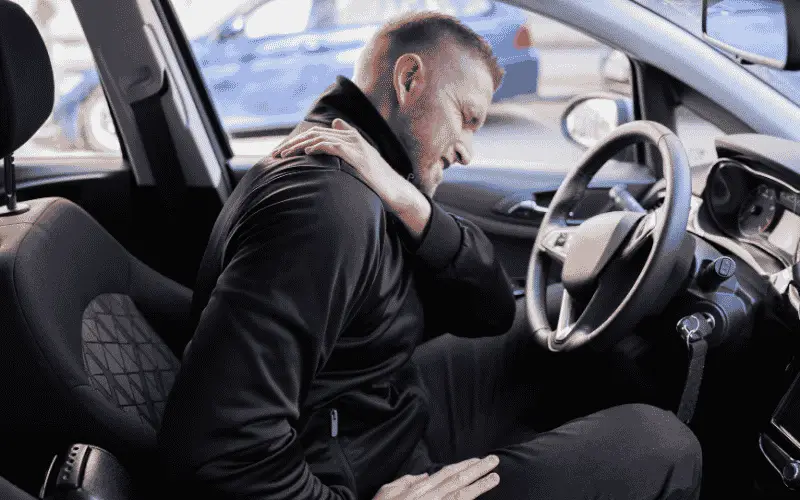
Who Pays Personal Injury Claims in a Car Accident ?

Who Pays Personal Injury Claims in a Car Accident ?

Who Pays Personal Injury Claims in a Car Accident ? Contact Us Sarah John’s Legal Writer If you are involved in an auto accident in Scotland and suffer injuries, one of your first thoughts might be who will cover your personal injury claim, especially if you encounter a situation where “my car was hit and their insurance won’t pay.”. Typically, it falls to the insurance provider (fault policy) of those responsible for covering these claims. We will explore more how this process works here as it relates to anyone making personal injury claims Scotland due to such accidents in Scotland. Table of Contents Get In Touch With Your Local Office: With local knowledge and a national network of experts, we have the experience you can count on.  Contact Us Relevant Topics: Road Traffic Accident Accidents In Public Accident at Work Medical Negligence Claims Serious Injury Claims Motorcycle Accident Claims Taxi Accident Claims Slip Trip And Fall Claims Compensation Calculator Whiplash Claims What Is The Role Of Insurance Companies When It Comes To Injury Payouts Following Car Accidents? Insurance companies play an essential role when it comes to car accidents in Scotland. All drivers in Scotland must carry car insurance, with third-party coverage being mandatory. This covers damages caused by other people but does not protect drivers themselves or their own vehicles. Some more comprehensive policies might include coverage for their own damages as well as medical expenses. After an accident occurs, insurance companies representing both parties will launch an investigation to ascertain who was at fault for it. If someone is found responsible, their insurer is usually held liable to pay compensation after car accident to an innocent party; thus, this policy is known as the ‘fault’ policy. However, some ‘no-fault’ policies still exist where each party’s insurer covers their own damages regardless of who caused the collision. In contrast, no-fault policies make claim processes faster but may lead to higher premiums (for both parties) overall. If you have been injured in a car accident, the other driver’s insurance company might contact you and offer to make a settlement offer; before accepting any such offer, it would be prudent to consult a solicitor first in order to ensure that the amount covers all damages and future expenses related to your injuries. Insurance companies frequently make payouts before performing sufficient investigations into your injury and loss claim. However, while this offer may initially seem like an easy and quick solution to your issue, complications could arise later, which would increase the compensation amount you were entitled to; for example, you might require additional treatment that was not initially expected. Also, note that once you accept payment from an insurer, it will become harder to demand more compensation for car crash, so speak with a solicitor before accepting anything from them. What Injuries Can You Claim For After a Car Accident? After being involved in a car accident in Scotland, you may be eligible to claim compensation car accident for various forms of injuries, such as physical, psychological, and even fatal in certain instances. Physical Injuries: Physical injuries may range in severity. Whiplash is a commonly experienced car accident neck injury that often leaves victims suffering pain and stiffness; more severe issues include spine, brain, and spinal cord damage that could potentially lead to long-term health concerns or paralysis. Broken bones are another serious possibility, which often takes several months or years for recovery; internal organ injuries affecting livers or kidneys require medical intervention immediately; even seemingly minor wounds like cuts, scrapes, or bruises could need medical care immediately. Psychological Injuries: After being involved in an auto accident, individuals can become fearful or anxious due to both physical injuries and internal effects. Some might experience bad dreams or be affected by post-traumatic stress disorder (PTSD); others might feel saddened and worried more often than usual, and some might even fear driving or just entering cars. Sleepless nights could further exacerbate matters – making it hard for victims to return to feeling normal after such an event has taken place. It can take time before individuals return to feeling their usual selves after experiencing such emotions after such traumas. Fatal Injuries: If someone dies due to a car accident, their loved ones can claim compensation in their name; this will cover funeral costs as well as provide financial relief from future earnings lost and acknowledge any emotional trauma experienced as a result of losing someone close. Every case varies, and the specific injuries you can claim will depend on what happened during an accident. Therefore, it’s essential that you seek professional legal advice so you understand exactly which benefits may apply to your specific circumstance. Satisfied Clients 0 K+ Dedicated Experts 0 + Client Rating 0 Compensation Recovered £ 0 + Million How Much Compensation For a Scotland Car Accident Could I Claim? When it comes to collecting compensation following a car accident in Scotland, the amount varies significantly due to differences in injury severity among victims. Your solicitor will use two forms of damages as a guideline when calculating how much money may be available: general damages and special damages. General Damages: Its General damages relate to injuries you received as the result of an accident, both physical and psychological. Furthermore, this also takes into account how these injuries have altered your lifestyle – for example, if they prevent you from doing things you used to enjoy doing before. Special Damages: Special damages exist to help compensate victims of accidents for all expenses they incurred as a result. This would include wages lost through inability to work, repair costs for damaged personal property or items and assistance services received, medical costs incurred from treatment, and travel costs to reach appointments. The amount you can claim depends on how severe and impactful your injuries are and their effect on your life. Furthermore, how much money has been lost through an accident also plays a factor. For a clearer idea of what could